Dolphin Facts: Intelligence, Pods, and Echolocation
Quick Answer
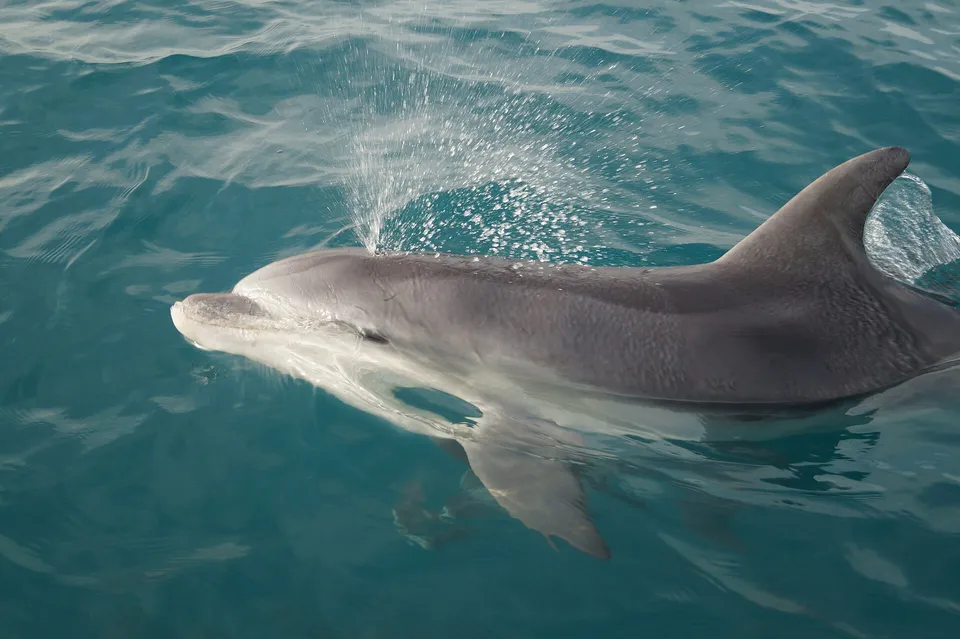
Dolphins are intelligent, social marine mammals in the family Delphinidae, which has about 37 species and includes the orca. The common bottlenose dolphin, the one most people picture, is 1.8 to 4 m (6 to 13 ft) long, lives in groups, finds food with echolocation, and can live at least 40 years in the wild. Dolphins breathe air, nurse their calves and rest with half of the brain at a time.
On this page
- What is a dolphin, and is an orca one?
- How big are dolphins, and how long do they live?
- What does a dolphin look like, and how does echolocation work?
- How do dolphins live in groups and raise calves?
- How smart are dolphins?
- What do dolphins eat?
- Where do dolphins live, and are they protected?
- Frequently Asked Questions
- Our Take
- Sources
Key Takeaways
- About 37 species of oceanic dolphins exist, from Hector's dolphin (up to 1.2 m) to the orca (almost 10 m), which is a dolphin too.
- Bottlenose dolphins are 1.8 to 4 m (6 to 13 ft) long and weigh 136 to 635 kg (300 to 1,400 lb) according to NOAA.
- Dolphins use clicks and echoes (echolocation) to find prey, and each dolphin is believed to have its own signature whistle.
- Calves are born after about 12 months, nurse for roughly 20 months and may stay with their mothers for 3 to 6 years.
- In the United States, bottlenose dolphins are protected by the Marine Mammal Protection Act: do not feed or chase them.
Dolphin at a glance
Common bottlenose dolphin (Tursiops truncatus)
| Length | 1.8–4 m (6–13 ft)(fisheries.noaa.gov) |
|---|---|
| Weight | 136–635 kg (300–1,400 lb)(fisheries.noaa.gov) |
| Lifespan (wild) | 40–60 years(fisheries.noaa.gov) |
| Lifespan (human care) | up to 53 years(animaldiversity.org) |
| Top speed | up to 30 km/h (19 mph)(animaldiversity.org) |
| Diet | It eats fish, squid and crustaceans such as crabs and shrimp, and sometimes herds fish together to catch them.(fisheries.noaa.gov) |
| Habitat | Ocean: Temperate and tropical waters worldwide, including U.S. coasts, Hawaii and the Gulf.(fisheries.noaa.gov) |
| Conservation status | Least Concern(animaldiversity.org) |
Sources give different figures for some of these numbers; we show the range they support.
What is a dolphin, and is an orca one?
A dolphin is a toothed whale that breathes air, gives birth to live young and feeds its calves milk. The oceanic dolphins make up the family Delphinidae. Animal Diversity Web counts 37 species in the family, with conical teeth as a defining feature [4].
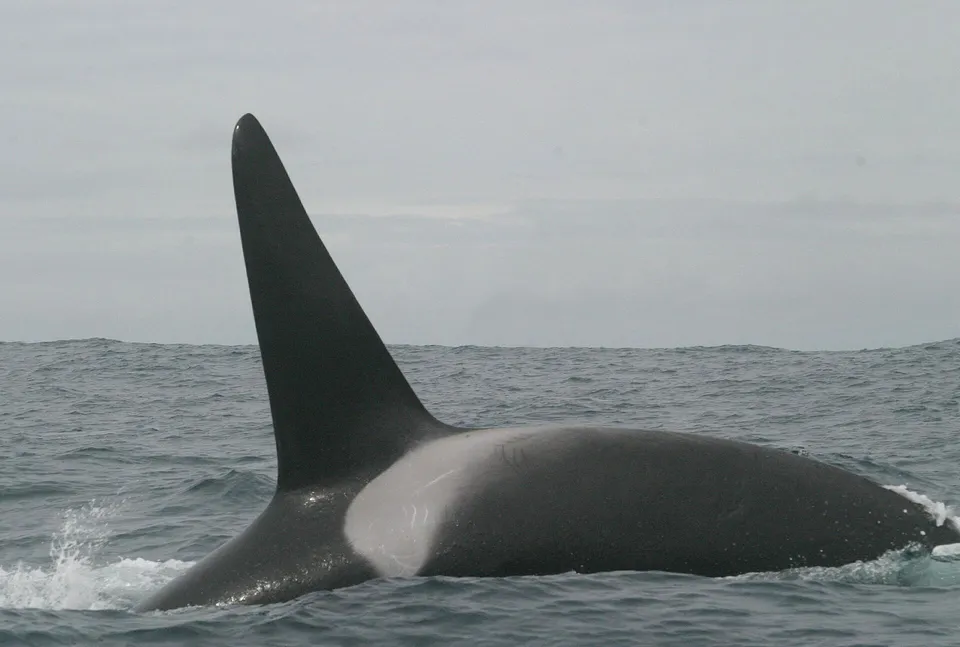
The family is wide. Hector's dolphin is the smallest, at up to 1.2 m (4 ft) long, and the orca is the largest, at almost 10 m (33 ft) (same source). Yes, the orca, also called the killer whale, is a dolphin. The family also includes the Irrawaddy dolphin and pilot whales. River dolphins are separate groups and are not counted in the 37. Read more in our orca profile.
Most of this page describes the common bottlenose dolphin (Tursiops truncatus), the best-studied species and the one you see in most photographs. When we mean the whole family, we say so.
How big are dolphins, and how long do they live?
NOAA Fisheries gives the bottlenose dolphin a length of 6 to 13 ft (1.8 to 4 m) and a weight of 300 to 1,400 lb (136 to 635 kg) [1]. Animal Diversity Web lists narrower ranges for the same species, 2.28 to 3.81 m and 260 to 500 kg, because size differs a lot between populations and sources use different samples [3]. We use NOAA's wider range and flag the difference. Top swimming speed is about 30 km/h (19 mph), with 3 to 6 km/h typical (same ADW page).
| Fact | Common bottlenose dolphin |
|---|---|
| Length | 1.8-4 m (6-13 ft) |
| Weight | 136-635 kg (300-1,400 lb) |
| Lifespan in the wild | At least 40 years; some females 60 or more |
| Lifespan in human care | Average 45 years; oldest documented female 53 |
| Top speed | About 30 km/h (19 mph) |
| Range | Temperate and tropical waters worldwide |
Lifespan needs care. NOAA says bottlenose dolphins can live at least 40 years and that some females reach 60 or more [1]. Animal Diversity Web instead gives wild averages of 25 to 35 years depending on the source, and an average of 45 years in captivity, with the oldest documented female at 53 [3]. These sources disagree, so treat any single "average dolphin lifespan" with caution. For all oceanic dolphins, ADW says most species live at least 10 to 20 years (Animal Diversity Web, Delphinidae page).
Want to try other animals? Our size comparison tool puts species next to each other, and animal vs animal compares their data.
What does a dolphin look like, and how does echolocation work?
A bottlenose dolphin has a streamlined body, a short beak, a curved dorsal fin on its back, two pectoral flippers and a tail with two horizontal lobes called flukes. It breathes through a single blowhole on top of its head. The rounded forehead holds the melon, a fatty organ that helps with sound.
Echolocation is how a dolphin "sees" with sound. Animal Diversity Web says bottlenose dolphins use it to detect the sea floor, prey and predators, and that the clicks pass through the melon and a fat body in the lower jaw that act as acoustic lenses [3]. Across the family, teeth also direct vibrations through the jaws to the ear bones [4]. NOAA adds that bottlenose dolphins use passive listening, high-frequency echolocation, or both, to find prey, and that they use sound for communication [1].
Our sources do not give click rates, so we do not either. For the step-by-step version and the hunting methods that follow, see what dolphins eat.
How do dolphins live in groups and raise calves?
Dolphins are highly social. Groups called pods range from small family units to many thousands of animals across the family, with mothers and young in maternity pods and some adult males in bachelor pods [4]. Bottlenose groups run from a few animals to over 100 and often split and re-form, a pattern scientists call fission-fusion [3]. NOAA uses the plain word "groups" for them [1].
Each bottlenose dolphin is believed to have its own signature whistle, kept for life. Relatives recognize one another by it, and it can carry information about location and mood. The whistles begin to develop as early as one month of age. Dolphins also rest one side of the brain at a time, which keeps them alert enough to surface and breathe (Animal Diversity Web, bottlenose dolphin page).
A bottlenose female is pregnant for about 12 months and has one calf at a time. The newborn is 84 to 140 cm (33 to 55 in) long and 14 to 20 kg (31 to 44 lb). It nurses for 18 to 20 months, and calves generally stay with their mothers for 3 to 6 years, with independence averaging about 5 years. Females typically begin to reproduce between ages 5 and 15 and give birth about every 3 to 6 years (NOAA Fisheries [1], retrieved 2026-11-15; Animal Diversity Web, bottlenose dolphin page). Calves also ride the pressure wave beside their mothers in the first days, a "baby position" that cuts drag.
How smart are dolphins?
Animal Diversity Web calls the bottlenose dolphin "very intelligent" and notes strong problem-solving skills in captivity [3]. The sources we use give no brain-size numbers, so we leave them out.
Wild behavior fits that description. Some dolphins in Australia carry sponges on their snouts to forage on the sea floor, and others shake fish in the air and strike them with their tails. Kin recognize one another by whistles, and calves stay with their mothers for years. Intelligence in dolphins shows up in how they communicate, cooperate and solve problems, and not in a single test score.
What do dolphins eat?
Dolphins are carnivores. Bottlenose dolphins eat fish, squid, and crustaceans such as crabs and shrimp, and they often hunt in teams [1]. The orca, the largest dolphin, has a more varied menu that depends on the pod. For amounts, hunting methods and what calves eat, read our full guide to what dolphins eat or the page on what orcas eat.
Where do dolphins live, and are they protected?
Bottlenose dolphins live in temperate and tropical waters worldwide, in both coastal and offshore habitats. In U.S. waters they occur on the West Coast, in Hawaii, along the East Coast from Massachusetts to Florida, in the Gulf, and in the Caribbean [1]. Animal Diversity Web lists the species as Least Concern on the IUCN Red List [3].
A healthy species can still have struggling populations. NOAA has identified 81 bottlenose stocks in U.S. waters, with trends unknown for many, and five Atlantic Coast stocks are considered depleted under the Marine Mammal Protection Act. Bottlenose dolphins are not listed under the Endangered Species Act. NOAA names fishing gear bycatch as one of the main threats, along with contaminants, the 2010 Deepwater Horizon oil spill, harmful algal blooms, vessel strikes, ocean noise, and illegal feeding and harassment (NOAA Fisheries, same page). Among other dolphins, NOAA lists the Southern Resident orca population as endangered under the Endangered Species Act [2].
Feeding or trying to feed wild dolphins is illegal in the United States. NOAA advises staying at least 50 yards (about 46 m) away and watching for 30 minutes or less [1]. To explore more of the sea, visit our ocean habitat pages, the full animals index and our conservation hub.
Frequently Asked Questions
Are dolphins fish?
No. Dolphins are mammals: they breathe air, give birth to live young and nurse them with milk. Animal Diversity Web describes oceanic dolphins as air-breathing marine mammals [4].
How many kinds of dolphins are there?
Animal Diversity Web counts 37 species of oceanic dolphins, including the orca. River dolphins are separate groups and are not part of that count [4].
Do dolphins sleep?
Yes, but not like people. Bottlenose dolphins rest one side of the brain at a time while moving slowly, which lets them stay alert enough to breathe [3].
How fast can a dolphin swim?
The maximum recorded in our source is about 30 km/h (19 mph) for a bottlenose dolphin, though typical swimming is much slower at 3 to 6 km/h [3].
Our Take
We think the best single fact about dolphins is that the group is bigger than the animal on the poster. An orca and a bottlenose dolphin belong to the same family, and that is a good reason to check which species a "dolphin fact" is really about. We also think the lifespan numbers deserve more caution than they usually get: NOAA and Animal Diversity Web disagree, and we would rather show both than pick a comfortable average. On intelligence, we prefer the evidence from behavior, such as signature whistles and shared hunting, over big claims with no source. And since feeding wild dolphins is illegal, the kindest way to enjoy them is to watch from a distance.
Sources
- Common Bottlenose Dolphin. NOAA Fisheries.
- Killer Whale. NOAA Fisheries, 2025.
- Tursiops truncatus (common bottlenose dolphin). Animal Diversity Web, University of Michigan Museum of Zoology.
- Delphinidae (oceanic dolphins). Animal Diversity Web, University of Michigan Museum of Zoology.
Animal sizes and lifespans vary between populations, and between the wild and human care; we give ranges with sources. Spotted an error? Tell us.
Keep Exploring
What Do Octopuses Eat? Diet, Hunting and Baby Food
What do octopuses eat? See the diet of the giant Pacific and common octopus, what baby octopuses eat, and how they open shells, with sources cited.
Octopus Facts: Three Hearts, Blue Blood, and More
Octopus facts for curious readers and students: why they have three hearts and blue blood, how big they get, how long they live and how they hide.
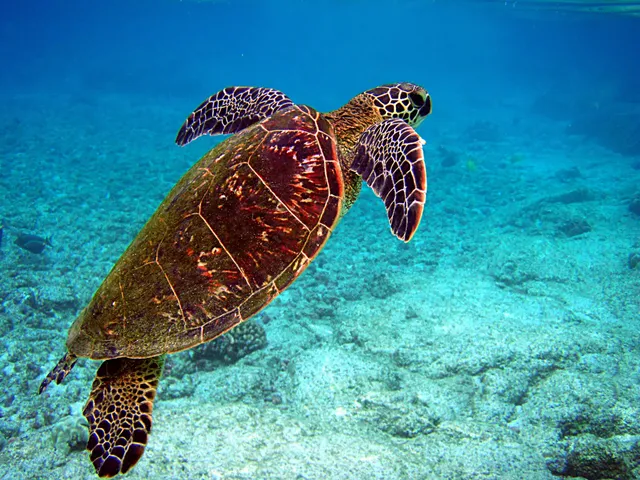
What Do Sea Turtles Eat? Diet by Species
Sea turtles eat different foods by species: seagrass, jellyfish, sponges, crabs and more. See what each kind eats, from hatchling to adult, with NOAA sources.
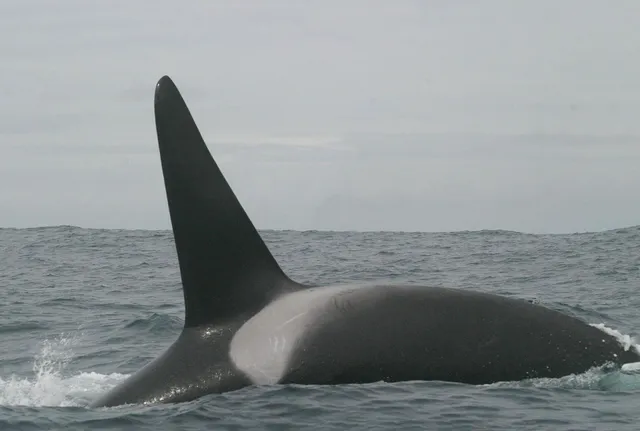
What Do Orcas Eat? Diet by Population
Orcas eat different foods by population: salmon, seals and other marine mammals, or fish and sharks. See each diet explained with NOAA sources.
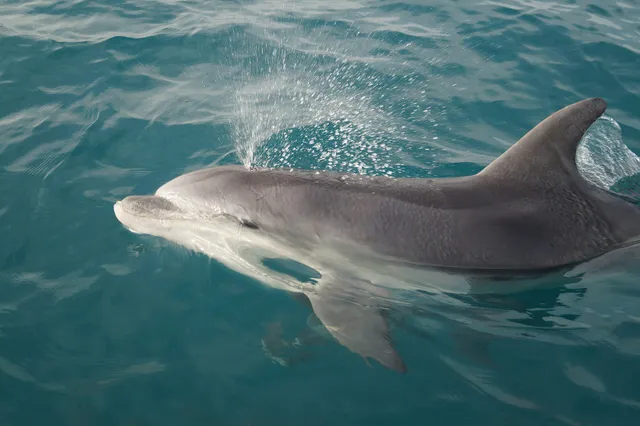
What Do Dolphins Eat? Fish, Squid and How They Hunt
Dolphins eat fish, squid and crustaceans. Learn how much a bottlenose eats a day, how dolphins find and catch food, and what calves eat, with sources.
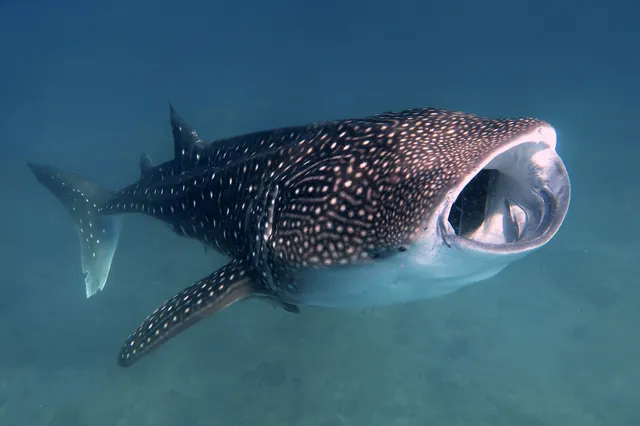
What Do Sharks Eat? From Plankton to Seals
What sharks eat depends on species and age: filter feeders sift plankton, nurse sharks eat small fish, great whites hunt seals. Sourced diet and feeding facts.