What Do Dolphins Eat? Fish, Squid and How They Hunt
Quick Answer
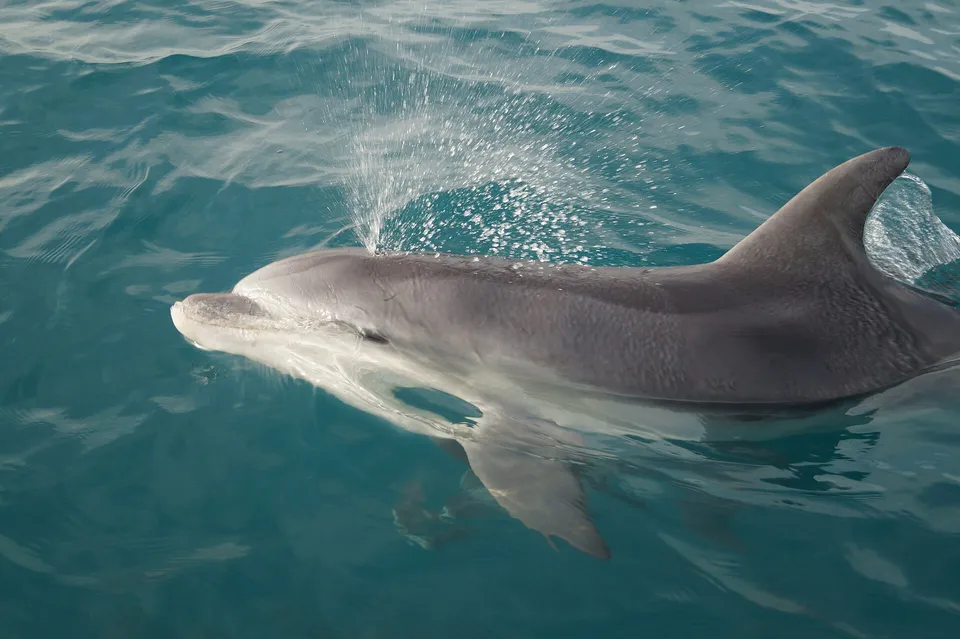
Dolphins are meat-eaters. Most oceanic dolphins eat mainly fish and squid, and the common bottlenose dolphin also takes crustaceans such as crabs and shrimp. An adult bottlenose dolphin eats about 4.5 to 16 kg (10 to 35 lb) of food a day, depending on its size and on whether a female is nursing. Dolphins do not chew: they swallow prey whole, head first.
On this page
Key Takeaways
- Dolphins are carnivores: fish and squid are the core of the diet, and bottlenose dolphins also eat crabs and shrimp.
- A bottlenose dolphin eats roughly 4.5 to 16 kg (10 to 35 lb) a day, and typical prey is only 5 to 30 cm (2 to 12 in) long.
- Dolphins find food with sound (echolocation) and often hunt in teams, herding fish or trapping them against shorelines.
- Calves nurse for about 20 months, so a mother's milk is a young dolphin's food for much of its first two years.
- Feeding wild dolphins is illegal in the United States and harms the animals.
What do dolphins eat in the wild?
Dolphins belong to the family Delphinidae, which has about 37 species. Animal Diversity Web describes the family as carnivorous, eating mostly fish and squid, with prey that varies by species and by location [4]. No oceanic dolphin is a plant-eater.
The species most people picture is the common bottlenose dolphin. NOAA Fisheries lists its prey as fish, squid, and crustaceans such as crabs and shrimp [1]. Where a bottlenose lives changes the menu. Animal Diversity Web notes that inshore dolphins eat fish and invertebrates, while deep-water dolphins eat squid and fish that live in the open ocean [3].
| Dolphin | What it mainly eats |
|---|---|
| Bottlenose, inshore waters | Fish and invertebrates |
| Bottlenose, deep water | Squid and open-ocean fish |
| Bottlenose, overall | Fish, squid, crabs and shrimp |
| Orca (the largest dolphin) | Depends on the population: fish, marine mammals or sharks |
The diagram below shows the three food groups. It is a simple map, not a chart of proportions, because the sources do not give one share that fits every dolphin and every sea.
How much does a dolphin eat in a day?
Animal Diversity Web puts a bottlenose dolphin's intake at 4.5 to 16 kg (10 to 35 lb) of food per day, depending on body size and on whether a female is nursing [3]. The same source gives the usual prey length as 5 to 30 cm (2 to 12 in), so a dolphin builds a day's food out of many small fish and squid rather than a few big ones.
That range is for the bottlenose only. NOAA's species page does not give a daily amount, and we found no allowed source with one figure for all dolphins, so we do not state one. A small dolphin species and a 9 m orca will not eat the same weight of food.
How do dolphins find and catch their food?
Dolphins hunt with sound. NOAA says bottlenose dolphins use passive listening, high-frequency echolocation, or both to locate prey [1]. Animal Diversity Web adds that echolocation helps them detect the sea floor, prey and predators, and that the clicks pass through the melon, a fatty organ in the forehead that acts like an acoustic lens [3]. For the whole family, teeth also pass vibrations along the jaw to the ear bones [4].
Once a dolphin has found prey, it has several ways to catch it. Sources describe these methods:
- Cooperative herding. Dolphins drive fish into tight groups, then take turns charging through the school to feed [1].
- Trapping against barriers. They may pin schools of fish against sand bars and seawalls (NOAA, same page).
- Strand feeding. In some places dolphins push prey onto the shore and briefly slide up after it [3].
- Fish-whacking. A dolphin may shake a fish in the air and strike it with its tail (Animal Diversity Web, same page).
- Following fishing boats. Some dolphins feed on discarded catch or bait (Animal Diversity Web, same page).
- Using sponges. Some dolphins in Australia carry sponges on their snouts while they search the sea floor (Animal Diversity Web, same page).
NOAA also notes that dolphins grip a fish in their teeth and swallow it whole, head first [1]. The teeth are for holding, not chewing: Animal Diversity Web calls conical teeth a defining feature of the dolphin family [4], and they are built to grip slippery prey. For a wider look at how bottlenose dolphins live and how smart they are, see our dolphin facts guide.
Do all dolphins eat the same things?
No. Animal Diversity Web says dolphin prey varies by species and location [4]. The family runs from Hector's dolphin, up to 1.2 m (4 ft) long, to the orca at almost 10 m (33 ft), and the menu changes along with the animal and its home waters.
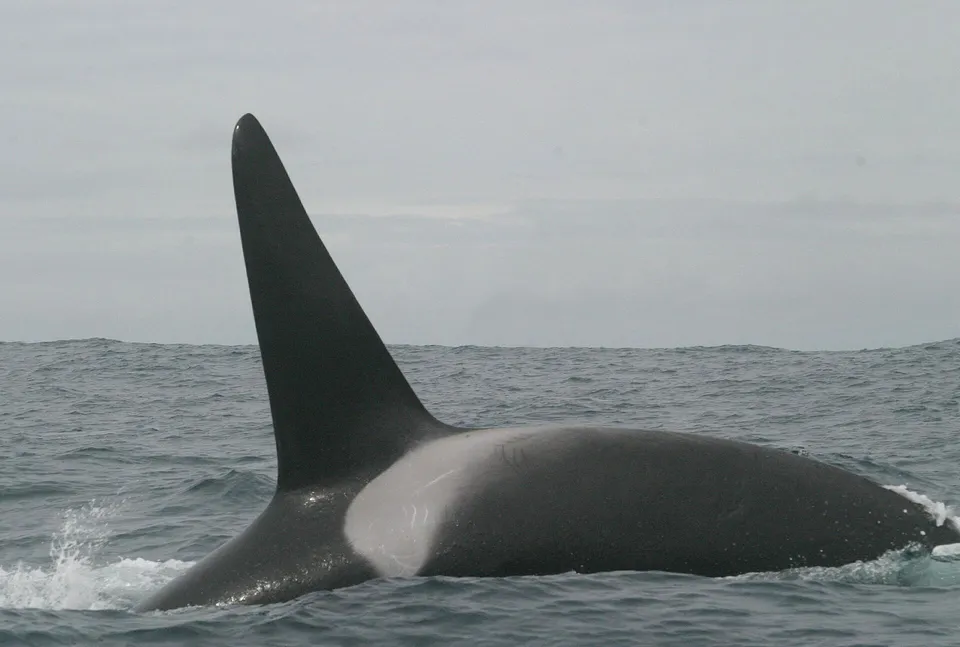
The orca is the clearest case, and it is a dolphin. NOAA says orca diets depend on the group: some pods mainly eat fish such as salmon, others eat seals and other marine mammals, and some eat sharks, with each pod's habits passed down [2]. Animal Diversity Web also lists penguins and several seal species among orca prey [4]. We cover those populations one by one in what orcas eat, and the animal itself in our orca profile.
Animal Diversity Web also notes that dolphins hunt with echolocation and social coordination, which helps explain why group size and teamwork show up in so many feeding methods in the family [4]. Hunting in a group lets dolphins work a school of fish together instead of chasing single fish alone.
So the short answer depends on which dolphin you mean. The bottlenose dolphin is a fish, squid and crab eater. The orca has the widest range of any dolphin. Many other species fall between them, and for those the safest general statement is the one Animal Diversity Web gives: mostly fish and squid.
What do baby dolphins eat?
Newborn dolphins drink milk. NOAA reports that bottlenose calves nurse for about 20 months and generally stay with their mothers for 3 to 6 years [1]. Animal Diversity Web gives a slightly narrower nursing period of 18 to 20 months and an average of about 5 years to independence [3].
At birth a calf is 84 to 140 cm (33 to 55 in) long and weighs 14 to 20 kg (31 to 44 lb), after a pregnancy of about 12 months (Animal Diversity Web, same page). A calf that stays close to its mother for years is near the hunting groups described above for a long time, but our sources do not say when a calf eats its first fish, so we do not guess.
Nursing also changes the mother's own needs, and it is a big part of why a young dolphin stays so close to her. As noted earlier, the daily food range depends on whether a female is lactating, so a mother with a calf is at the high end of the scale for her body size.
Is it okay to feed wild dolphins?
No. Under rules that implement the Marine Mammal Protection Act, feeding or attempting to feed wild dolphins is illegal in the United States, and harassing them is too. NOAA defines harassment as any act of pursuit, torment or annoyance that could injure the animal or disrupt its behavior, and it advises staying at least 50 yards (about 46 m) away and limiting any viewing to 30 minutes or less [1].
Handing food to wild dolphins teaches them to approach boats and people, which puts them at risk. NOAA lists illegal feeding and harassment among the threats to bottlenose dolphins, alongside fishing gear, pollution and ocean noise (NOAA, same page). The boat-following habit shows why this matters. Some dolphins already feed on discarded catch or bait near fishing boats, and NOAA lists fisheries bycatch and rod-and-reel gear among the main threats to the species (NOAA, same page). In our view, a dolphin that learns to expect handouts near boats is a dolphin spending more time near gear and propellers. If you want to see dolphins, watch from a distance and let them hunt on their own terms.
This page covers wild diets. We do not give figures for dolphins in aquariums or other human care, because we did not find an allowed source that gives them. A facility's own animal-care staff are the right people to ask. For more on ocean wildlife, browse our ocean habitat pages, compare how sharks eat, or read about conservation.
Frequently Asked Questions
Do dolphins eat plants?
No. Animal Diversity Web describes oceanic dolphins as carnivores that feed mostly on fish and squid [4].
Do dolphins chew their food?
No. A bottlenose dolphin grips a fish in its teeth and swallows it whole, head first [1].
Is an orca a dolphin, and does it eat the same food?
An orca is the largest member of the dolphin family, but its diet is different from a bottlenose dolphin's. It depends on the pod, from fish-eating groups to groups that eat marine mammals [2]. See what orcas eat.
Our Take
We think the most useful thing to know about dolphin food is that "what do dolphins eat" has no single answer. A bottlenose dolphin in a shallow bay and one far offshore hunt different prey, and an orca belongs to a different category altogether. Based on the NOAA and Animal Diversity Web material we cite, we would treat the 4.5 to 16 kg daily range as a bottlenose figure only, and we would not stretch it to other species. We also think the sponge-carrying and fish-whacking examples are the best argument that dolphin hunting is learned, not just instinct, although the sources we used describe the behavior and do not measure how it is taught. Finally, we would say the rule against feeding wild dolphins is easy to follow and worth following.
Sources
- Common Bottlenose Dolphin. NOAA Fisheries.
- Killer Whale. NOAA Fisheries, 2025.
- Tursiops truncatus (common bottlenose dolphin). Animal Diversity Web, University of Michigan Museum of Zoology.
- Delphinidae (oceanic dolphins). Animal Diversity Web, University of Michigan Museum of Zoology.
Animal sizes and lifespans vary between populations, and between the wild and human care; we give ranges with sources. Spotted an error? Tell us.
Keep Exploring
What Do Octopuses Eat? Diet, Hunting and Baby Food
What do octopuses eat? See the diet of the giant Pacific and common octopus, what baby octopuses eat, and how they open shells, with sources cited.
Octopus Facts: Three Hearts, Blue Blood, and More
Octopus facts for curious readers and students: why they have three hearts and blue blood, how big they get, how long they live and how they hide.
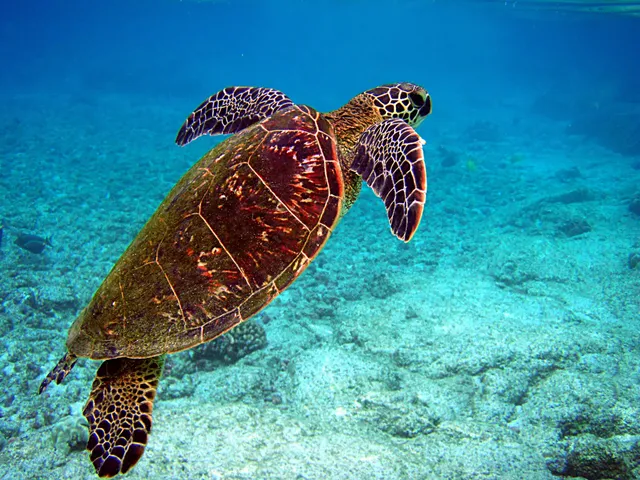
What Do Sea Turtles Eat? Diet by Species
Sea turtles eat different foods by species: seagrass, jellyfish, sponges, crabs and more. See what each kind eats, from hatchling to adult, with NOAA sources.
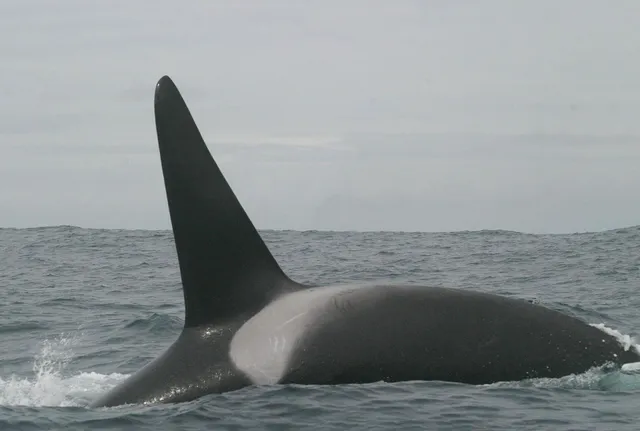
What Do Orcas Eat? Diet by Population
Orcas eat different foods by population: salmon, seals and other marine mammals, or fish and sharks. See each diet explained with NOAA sources.
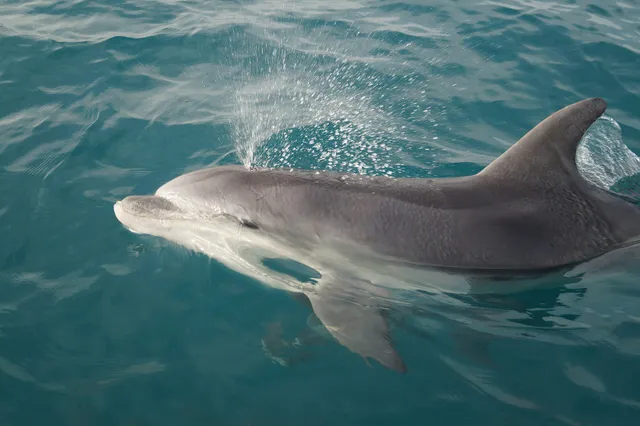
Dolphin Facts: Intelligence, Pods, and Echolocation
Dolphin facts with sources: size, lifespan, echolocation, pods, calves and intelligence, plus where dolphins live and how U.S. law protects them.
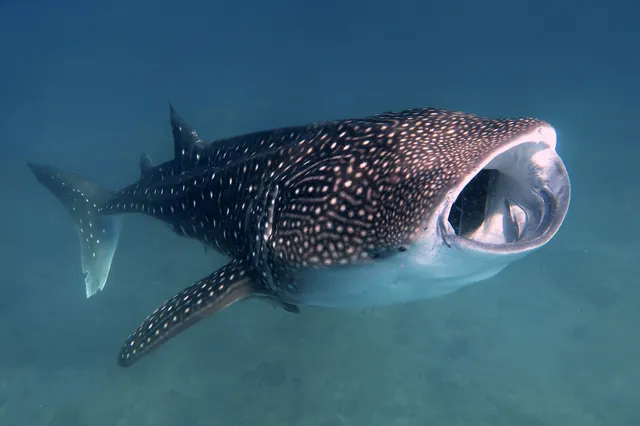
What Do Sharks Eat? From Plankton to Seals
What sharks eat depends on species and age: filter feeders sift plankton, nurse sharks eat small fish, great whites hunt seals. Sourced diet and feeding facts.